
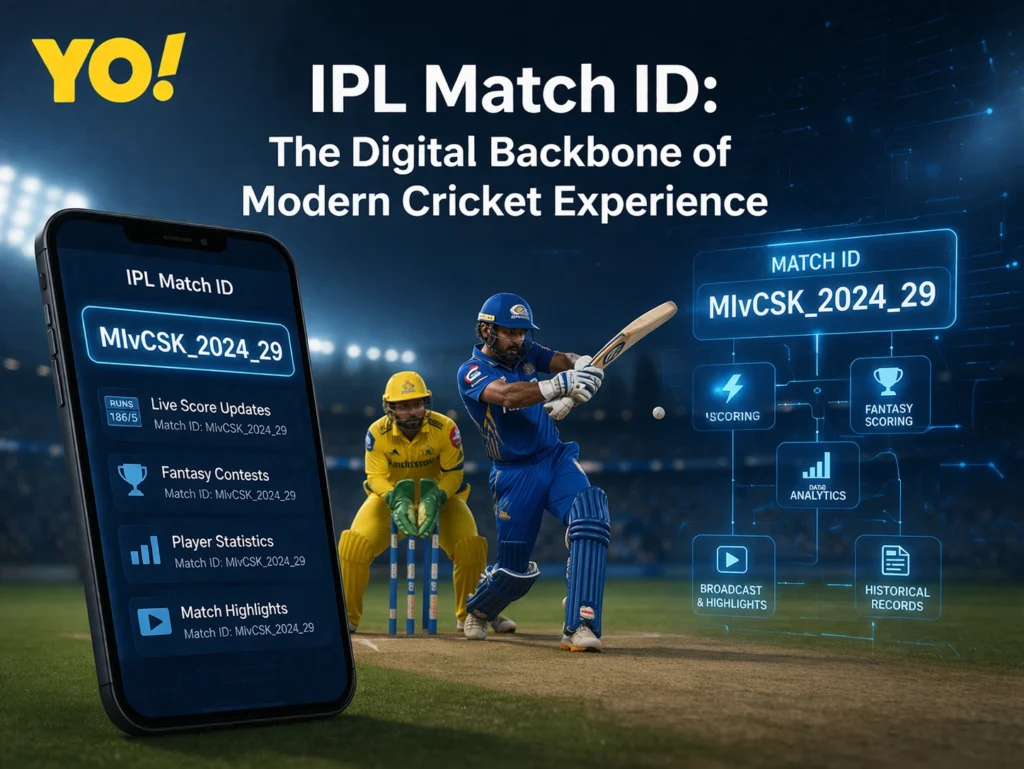
Introduction: Understanding the Power of IPL Match ID
The Indian Premier League is not just a cricket tournament; it is a massive digital ecosystem where millions of fans engage with matches in real time. Behind this seamless experience lies a powerful system that keeps everything organized and accurate—the IPL Match ID. While most viewers focus on runs, wickets, and thrilling finishes, the IPL Match ID works silently in the background, ensuring that every piece of match-related data is correctly tracked and delivered.
The IPL Match ID is a unique identifier assigned to each match, making it easier for platforms, apps, and analysts to manage information efficiently. From live score updates and fantasy cricket contests to historical records and performance analytics, everything is connected through this identifier. Understanding the IPL Match ID helps you see how modern cricket operates beyond the field, combining sports with advanced technology to enhance the overall fan experience.
What is an IPL match ID?
The IPL Match ID is a unique numerical code assigned to every match played in the Indian Premier League. It acts as a distinct identifier that separates one match from another, ensuring there is no confusion when handling large volumes of data across the tournament.
Each IPL season consists of numerous matches played between different teams at various venues. Without a proper identification system, managing match-related information would become complex and error-prone. This is where the IPL Match ID becomes essential. It provides a structured way to label and track every game individually.
For example, when a match is scheduled, it is immediately assigned an IPL Match ID. This ID is then used across multiple platforms, such as live score websites, mobile applications, fantasy cricket platforms, and broadcasting systems. All updates related to that specific match—like scores, player statistics, highlights, and commentary—are linked to this single identifier.
The IPL Match ID also ensures consistency. Whether you are checking match details on one app or another, the same ID helps systems pull the correct data without mismatch. This makes it easier for users to access accurate and real-time information.
In simple terms, the IPL Match ID is like a digital tag that carries all the important details of a match. It may not be visible to fans directly, but it plays a crucial role in delivering a smooth and reliable cricket experience.
Importance of IPL Match ID in Modern Cricket
The IPL Match ID plays a crucial role in managing and delivering the fast-paced experience that fans expect from the Indian Premier League. In a tournament where matches happen almost every day, having a reliable identification system is not just helpful—it is essential.
One of the primary reasons the IPL Match ID is important is accuracy. With multiple matches, teams, and players involved, even a small mix-up in data can lead to confusion. The IPL Match ID ensures that every statistic, score update, and highlight is linked to the correct match. This eliminates errors and maintains the integrity of information across all platforms.
Another key aspect is efficiency. Digital platforms rely on speed to deliver real-time updates. The IPL Match ID allows systems to quickly fetch and display data without delays. Whether it is a boundary update or a wicket alert, everything is processed instantly because it is tied to a specific match ID.
The IPL Match ID also supports large-scale data handling. Millions of users access IPL content simultaneously, especially during high-profile matches. The Match ID helps servers manage this traffic efficiently by organizing data in a structured way.
In addition, it enhances user experience. Fans can easily track matches, view scorecards, and watch highlights without facing inconsistencies. Even personalized features, such as notifications and recommendations, depend on IPL Match ID to deliver relevant content.
From a broader perspective, the IPL Match ID is the backbone of digital cricket operations. It connects various systems—live scoring, analytics, broadcasting, and fantasy platforms—into one unified network. Without it, the smooth functioning of modern cricket technology would not be possible.
In essence, the IPL Match ID is not just a technical detail; it is a vital component that ensures the IPL runs efficiently both on and off the field.
Role of IPL Match ID in Live Match Tracking
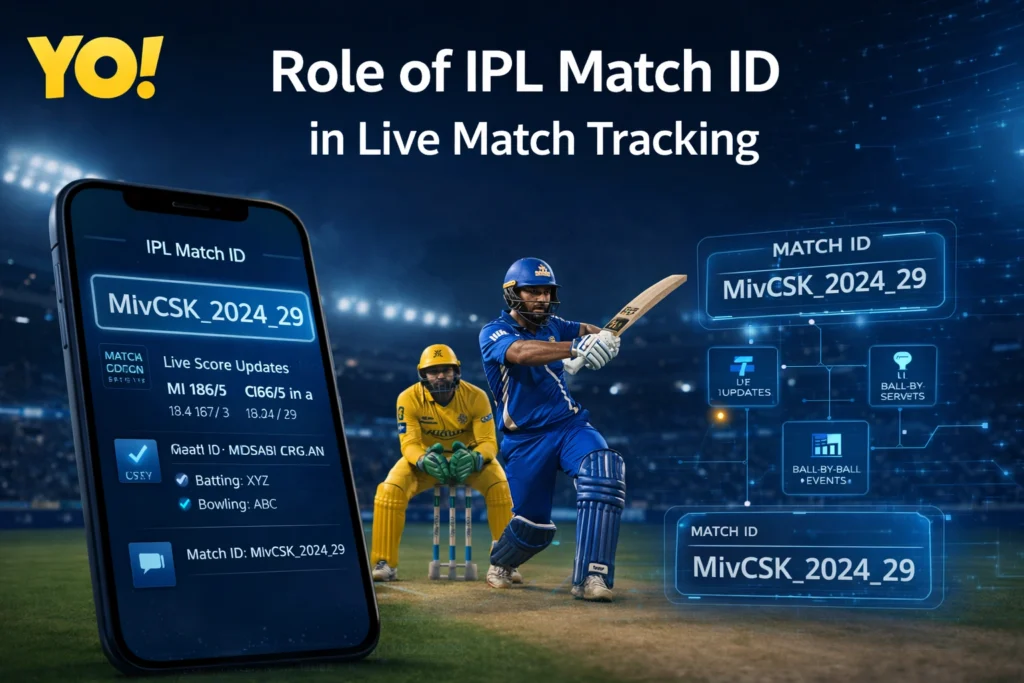
Live match tracking has become one of the most important aspects of how fans follow the Indian Premier League today. People no longer depend only on television broadcasts; instead, they use mobile apps, websites, and notifications to stay updated ball by ball. In this fast-moving environment, systems need a reliable way to organize and deliver information instantly—and that is where the IPL Match ID quietly plays its part.
When a match begins, every event—whether it is a run, a wicket, or a change in bowling—is recorded in real time. Behind the scenes, all of this data is connected to a specific identifier that ensures the updates belong to the correct game. This allows platforms to provide accurate information without delays or confusion.
Another important aspect is synchronization. Millions of users may be checking scores at the same time across different devices. The IPL Match ID helps maintain consistency, so whether someone is using a mobile app or a website, they see the same score and match details. This consistency builds trust and keeps the experience smooth for everyone.
It also supports features like live commentary and visual scorecards. These elements require continuous data flow, and having a structured system makes it easier to manage updates efficiently. Even small details, such as over-by-over summaries or player performance during the match, are organized through this process.
In a broader sense, live tracking depends on speed and precision. While fans focus on the excitement of the game, the backend relies on organized systems to keep everything running. The IPL Match ID contributes to this structure, helping platforms deliver a seamless and reliable live experience without interruptions.
IPL Match ID in Fantasy Cricket Platforms
Fantasy cricket has added a new layer of excitement to the Indian Premier League, allowing fans to become virtual team managers and compete based on real match performances. In this system, accuracy and fairness are extremely important, and this is where the IPL Match ID plays a subtle but essential role.
Every fantasy contest is linked to a specific match. To ensure that points are calculated correctly, platforms rely on a structured way to identify that match. Instead of depending only on team names or schedules, systems use a unique reference to connect all player performances to the correct game.
This becomes especially important when multiple matches are played close together. Without a proper identification method, there could be confusion in assigning points, which would affect the credibility of the platform. By using a clear match reference, fantasy apps ensure that every run scored or wicket taken is counted in the right contest.
Another benefit is smooth contest management. When users join a fantasy league, their team selection is tied to a particular match. This connection helps the system lock teams at the right time, track player performance, and update leaderboards accurately throughout the game.
It also improves user trust. Players expect transparency when it comes to scoring and rankings. A structured backend system ensures that all calculations are based on verified match data, reducing the chances of errors.
In simple terms, while users focus on selecting players and winning contests, the backend relies on organized identifiers to keep everything running fairly. The IPL Match ID supports this process by ensuring that each fantasy game is linked to the correct real-world match, making the overall experience reliable and enjoyable.
IPL Match ID in Data Analytics and Performance Insights
In modern cricket, data has become just as important as on-field performance. Teams, analysts, and even fans rely on detailed statistics to understand the game better. Within this data-driven environment, the IPL Match ID plays a quiet but important role in organizing and accessing match-specific information.
Every match generates a large amount of data—runs scored, balls faced, strike rates, bowling figures, partnerships, and much more. To make sense of this information, it needs to be stored in a structured way. A unique match reference allows systems to group all these details under one specific game, making it easier to retrieve and analyze later.
This structure helps analysts study performance trends over time. For example, they can compare how a player performed in different matches or how a team handled certain situations. By referring to individual matches through a consistent system, data can be filtered and examined without confusion.
It also supports deeper insights. Analysts can break down performances based on conditions, opponents, or match situations. Since each dataset is clearly linked to a specific game, the analysis becomes more accurate and meaningful.
For teams, this kind of information can influence strategies. Coaches and support staff use detailed reports to plan tactics, adjust player roles, and prepare for upcoming matches. Even broadcasters use similar insights to enhance commentary and provide viewers with a richer understanding of the game.
From a fan’s perspective, these analytics often appear as interesting stats and comparisons during or after the match. While the presentation looks simple, it is backed by a well-organized system that keeps data connected and accessible.
Overall, the IPL Match ID helps maintain order in a vast pool of cricket data. It ensures that every statistic belongs to the right match, allowing analysts and platforms to deliver accurate insights that deepen the understanding of the game.
IPL Match ID in Broadcasting and Media Coverage
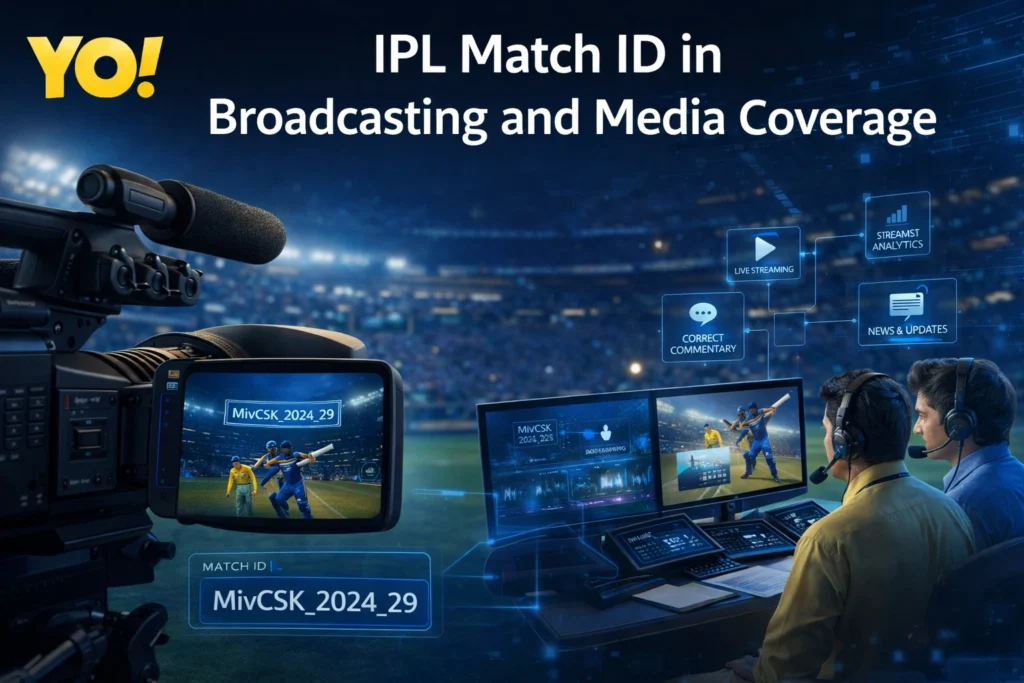
Broadcasting and media coverage are essential parts of the Indian Premier League, bringing the excitement of every match to millions of viewers around the world. Behind the smooth delivery of highlights, replays, and expert analysis lies a well-organized system, where the IPL Match ID plays an important supporting role.
Every match produces hours of video content, including live footage, key moments, player interviews, and post-match discussions. To manage this large volume of content, media teams need a reliable way to categorize and store everything. A unique match reference helps them keep all related material grouped under one specific game.
This becomes especially useful when editors need to quickly find a particular moment—such as a winning six or a crucial wicket. Instead of searching through multiple files manually, they can use the match reference to locate the exact clip within seconds. This saves time and ensures that content is delivered quickly to audiences.
The IPL Match ID also supports digital platforms that host highlights and match replays. When fans search for a specific game or moment, the system uses this reference to fetch the correct video content. This ensures that users always get accurate results without confusion.
In addition, commentators and analysts benefit from this structured approach. During live broadcasts, they often rely on real-time data and past match records. Having everything organized under a clear system allows them to access information instantly, making their analysis more engaging and informative.
From television networks to online streaming platforms, the ability to manage and deliver content efficiently is crucial. The IPL Match ID contributes to this process by keeping everything connected and easy to access.
In the end, while viewers enjoy seamless coverage and instant highlights, it is the underlying structure that makes it all possible. The IPL Match ID helps ensure that every piece of content is correctly linked to its match, allowing media teams to deliver a smooth and professional viewing experience.
IPL Match ID and Historical Records Management
The Indian Premier League has created countless memorable moments over the years, from record-breaking performances to thrilling last-over finishes. Preserving these moments accurately is essential for the sport’s legacy, and this is where the IPL Match ID plays a meaningful role.
Every match that has ever been played in the league is stored in digital records along with detailed statistics. These records include scorecards, player performances, match results, and key highlights. To keep this vast archive organized, each game is assigned a unique reference, ensuring that all related information stays connected.
This structured system makes it easy to revisit past matches. Whether someone wants to analyze a specific game, compare performances across seasons, or simply relive a classic encounter, the data can be accessed without confusion. The use of a consistent match reference ensures that even years later, information remains accurate and easy to retrieve.
It also supports research and journalism. Cricket analysts, writers, and historians often rely on past data to create insights and stories. Having a well-maintained record system allows them to work efficiently and produce reliable content.
For fans, this means better access to history. Many platforms offer detailed archives where users can explore previous matches, view scorecards, and watch highlights. Behind this simple experience lies a carefully organized system that keeps everything in order.
Over time, as more matches are added, maintaining accuracy becomes even more important. A structured identification method helps prevent duplication, data loss, or mismatches, ensuring that the league’s history remains intact.
In essence, the IPL Match ID helps protect and organize the rich history of the tournament. It ensures that every match, no matter how old, can be easily found and understood, allowing both fans and professionals to stay connected with the legacy of the game.
Technical Structure Behind IPL Match ID
While the IPL Match ID may appear simple on the surface, its technical role within digital systems is highly significant. It functions as a core element in databases, helping developers and platforms manage large volumes of cricket data efficiently.
In technical terms, the IPL Match ID acts as a primary key. This means it uniquely identifies each match within a database, ensuring that no two entries overlap. When systems store information such as scores, player statistics, or match events, they use this identifier to link everything back to the correct game.
This structure allows multiple data tables to work together smoothly. For example, one table may store match details, another may contain player performances, and another may track ball-by-ball events. The IPL Match ID connects all these tables, creating a unified system where data can be accessed quickly and accurately.
It also improves data retrieval speed. When a user requests information—such as a scorecard or match summary—the system uses the match reference to locate and deliver the required data almost instantly. This is especially important during live matches, where speed and accuracy are critical.
From a development perspective, the IPL Match ID simplifies coding and system design. Developers can build features like live updates, statistics dashboards, and match comparisons more efficiently because they have a consistent way to reference each game.
Additionally, it supports scalability. As the IPL continues to grow, more matches and data are added every season. A well-structured identification system ensures that platforms can handle this growth without performance issues.
Overall, the IPL Match ID is a key component of the technical framework that powers modern cricket platforms. It keeps data organized, connected, and easy to access, enabling smooth functionality across websites, apps, and analytics tools.
Future Scope of IPL Match ID in Digital Cricket
As technology continues to reshape the way sports are experienced, the role of the IPL Match ID is expected to become even more significant in the coming years. What currently serves as a structured identifier could evolve into a central element for advanced innovations in cricket.
One of the key areas of growth is artificial intelligence and machine learning. With vast amounts of match data already available, systems can use organized match references to study patterns and generate predictions. This could help teams plan strategies more effectively and allow fans to access deeper insights about upcoming matches.
Another promising direction is personalized user experiences. Digital platforms are increasingly focusing on tailoring content for individual users. By tracking interactions linked to specific matches, systems can recommend highlights, statistics, and updates that match a user’s interests. This level of customization relies heavily on structured data organization.
The rise of immersive technologies like augmented reality (AR) and virtual reality (VR) could also benefit from such systems. Imagine watching a past match in a virtual stadium or exploring key moments from different angles. These experiences would require precise data mapping, where each match is clearly defined and accessible.
In addition, real-time analytics could become more advanced. Fans might be able to view predictive win probabilities, player impact scores, or strategy simulations during live matches. All of this would depend on well-organized data connected to individual games.
There is also potential for integration with global cricket databases. As leagues and tournaments become more interconnected, having a consistent way to identify matches will help in combining and comparing data across formats and competitions.
Overall, the future of cricket is deeply tied to data and technology. The IPL Match ID, though simple in concept, will continue to support these advancements by keeping information structured and accessible. It will remain an important part of how the game evolves in the digital age, enhancing both analysis and fan engagement.
Challenges and Limitations of IPL Match ID System
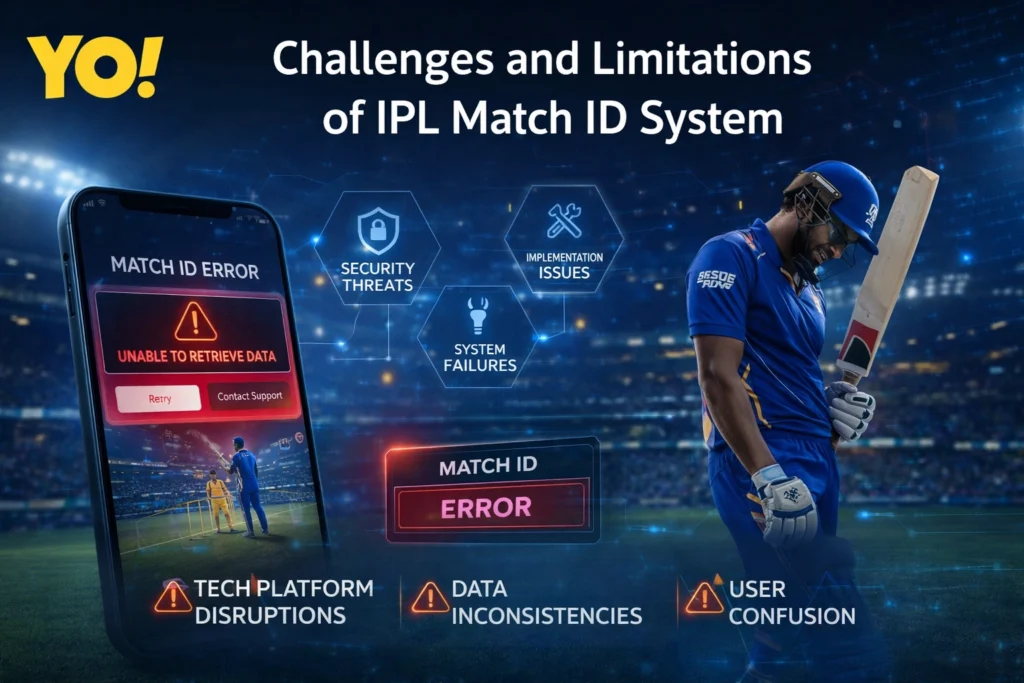
While the IPL Match ID plays a crucial role in organizing and managing cricket data, it is not completely free from challenges. Like any technical system, it requires careful handling and consistency to function effectively.
One of the main challenges is data accuracy. If a match is assigned an incorrect identifier or if the ID is used improperly within a system, it can lead to mismatched information. This might result in wrong score updates, incorrect statistics, or confusion across platforms. Even a small error can affect multiple systems that rely on the same data.
Another limitation is standardization across platforms. Different applications, websites, and data providers must follow the same structure and reference system. If there is inconsistency in how match identifiers are used, it can create integration issues. Ensuring uniformity across all platforms is essential but can be difficult when multiple stakeholders are involved.
Data integration is also a challenge. Many platforms pull information from various sources such as live scoring services, analytics providers, and broadcasting systems. Aligning all this data under the correct match reference requires strong coordination and reliable backend systems.
Scalability, although generally supported, can still present issues if not managed properly. As the number of matches and the volume of data increase each season, systems must be continuously upgraded to handle the load efficiently. Without proper infrastructure, performance delays or system failures could occur.
There is also a dependency factor. Many digital services rely heavily on structured identifiers. If there is any disruption in the system managing these identifiers, it can affect multiple features such as live updates, fantasy scoring, and historical data access.
Despite these challenges, most issues can be minimized with proper system design, regular updates, and strict data validation processes. The IPL Match ID system remains highly effective, but it requires ongoing management to maintain its reliability.
In conclusion, while the IPL Match ID is a powerful tool, its success depends on accuracy, consistency, and strong technical support. Addressing these challenges ensures that the system continues to function smoothly and supports the growing demands of modern cricket.
Conclusion: The Hidden Engine Behind Every IPL Match
The IPL Match ID may not be something fans notice while enjoying a thrilling game, but it remains one of the most important elements behind the smooth functioning of the Indian Premier League’s digital ecosystem. From live match tracking and fantasy cricket platforms to data analytics, broadcasting, and historical records, everything depends on a well-structured system that keeps information organized and accurate.
Throughout the tournament, countless data points are generated every second. Without a reliable way to manage this information, delivering real-time updates and insights would be nearly impossible. The IPL Match ID ensures that each match is clearly defined, allowing systems to work efficiently without confusion or overlap.
It also plays a key role in enhancing the overall fan experience. Whether someone is checking live scores, analyzing player performance, or revisiting past matches, the information they receive is accurate and consistent. This level of reliability builds trust and keeps fans engaged throughout the season.
As cricket continues to evolve with technology, the importance of structured data will only increase. The IPL Match ID will remain a foundational element, supporting future innovations and helping platforms deliver even more advanced features.
In the end, while the excitement of IPL lies on the field, the seamless experience off the field is powered by systems like the IPL Match ID. It is the silent engine that keeps everything running smoothly, ensuring that fans around the world can enjoy the game without interruption.
Frequently Asked Questions (FAQs) About IPL Match ID
1. What is an IPL Match ID?
An IPL Match ID is a unique number assigned to every match in the Indian Premier League. It helps systems identify and manage match-specific data such as scores, statistics, and updates.
2. Why is IPL Match ID important?
It ensures accuracy and organization across digital platforms. From live scores to fantasy cricket, everything depends on this identifier to deliver correct information.
3. How is IPL Match ID used in fantasy cricket?
Fantasy platforms use IPL Match ID to link contests with specific matches. This ensures that points are calculated based only on the correct game data.
4. Can fans see IPL Match ID directly?
In most cases, fans do not notice it. However, it works in the background to provide a smooth experience across apps and websites.
5. Does IPL Match ID help in match analysis?
Yes, it allows analysts to retrieve and study match-specific data easily, helping in performance evaluation and strategy planning.
6. Where can I learn more about IPL and match-related insights?
You can explore more detailed information and updates by visiting this platform: yobook
7. Is IPL Match ID the same for every season?
No, each match across every season has its own unique IPL Match ID, ensuring there is no duplication or confusion.
8. How does IPL Match ID improve user experience?
It helps deliver accurate live updates, correct scorecards, and relevant match content, making the overall experience smooth and reliable.