

Introduction to YoBook Login
The YoBook login process is the first step toward accessing a personalized and efficient digital platform designed for modern users. Whether you are logging in to manage your activities, connect with others, or access important features, YoBook login plays a central role in delivering a smooth and secure experience.
In an era where convenience and speed matter, YoBook login is built to be simple, reliable, and user-friendly. It allows users to quickly enter their accounts without unnecessary complexity while ensuring that their personal information remains protected. With just a few steps, users can unlock a dashboard tailored to their preferences and needs.
Understanding how YoBook login works is essential for avoiding common issues and making full use of the platform. From basic access to advanced features, everything begins with a successful login. This introduction sets the foundation for exploring how YoBook login enhances usability, security, and overall digital interaction.
Why YoBook Login is Important
The YoBook login process is more than just a routine step—it is the key to unlocking a complete and personalized user experience. Without proper access through YoBook login, users cannot take advantage of the platform’s core features, tools, and services.
One of the main reasons YoBook login is important is because it provides secure access to individual accounts. Each user has unique data, preferences, and activities stored within the platform. Logging in ensures that this information remains private and accessible only to the rightful user. This level of security builds trust and confidence among users.
Another important aspect of YoBook login is personalization. Once logged in, users are presented with a customized dashboard that reflects their interests, usage patterns, and saved data. This eliminates the need to start from scratch every time and allows for a smoother and more efficient experience.
YoBook login also enables seamless communication and interaction. Whether it involves messaging, sharing content, or collaborating with others, all these features become available only after successful login. This makes it a central component of user engagement on the platform.
Additionally, YoBook login supports continuity across devices. Users can log in from different devices and still access the same data and settings. This flexibility is especially useful in today’s multi-device environment, where people switch between mobile phones, tablets, and computers.
Overall, the importance of YoBook login lies in its ability to combine security, personalization, and accessibility into a single, simple process. It ensures that users can interact with the platform efficiently while keeping their data protected.
Step-by-Step YoBook Login Process
The YoBook login process is designed to be simple and straightforward, allowing users to access their accounts quickly without confusion. By following a few easy steps, anyone can complete the YoBook login and start using the platform efficiently.
To begin with, users need to visit the official YoBook platform. This can be done either through a web browser on a desktop or by opening the mobile application. Once the platform loads, the YoBook login option is usually clearly visible on the homepage, making it easy to locate.
After reaching the login section, users are required to enter their credentials. This typically includes a registered email address or username along with the correct password. It is important to enter these details carefully, as even a small mistake can prevent successful YoBook login.
Once the credentials are entered, the next step is to click on the login button. The system then verifies the information provided. If the details are correct, the YoBook login process is completed within seconds, and the user is redirected to their personal dashboard.
In some cases, users may be asked to complete an additional verification step. This could include entering a code sent to their email or mobile device, especially if extra security features are enabled. This step ensures that the YoBook login remains secure and protects the account from unauthorized access.
After successful login, users gain full access to their account features, settings, and content. The entire YoBook login process is built to minimize effort while maintaining high standards of security and usability.
By understanding and following these steps, users can avoid unnecessary delays and enjoy a smooth login experience every time.
Features Available After YoBook Login
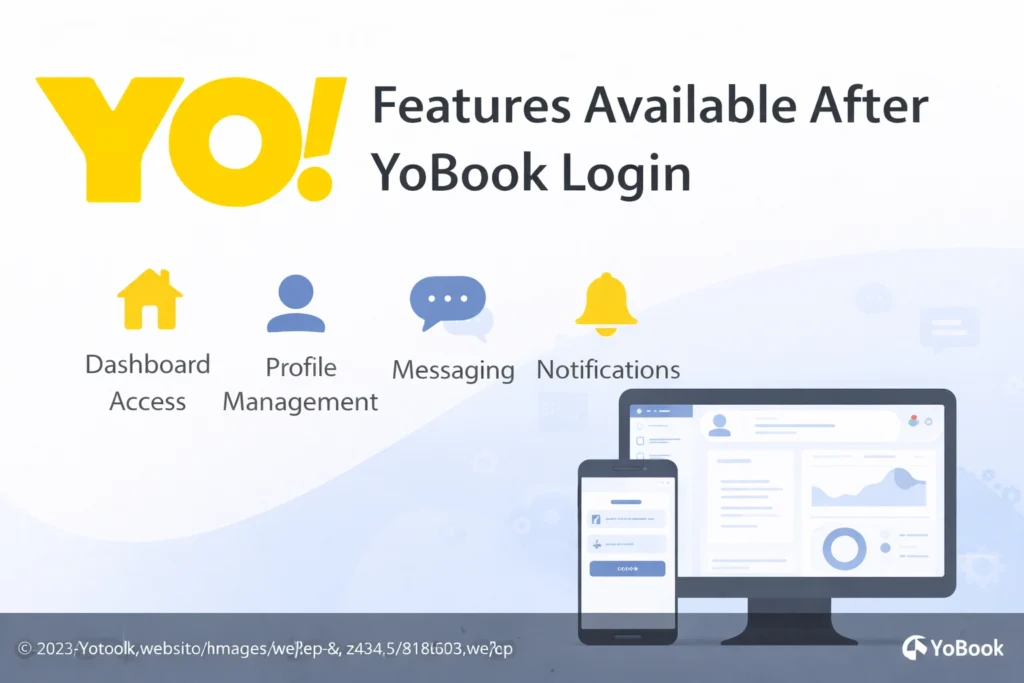
Once the YoBook login process is successfully completed, users gain access to a wide range of features designed to enhance productivity, connectivity, and overall user experience. These features are tailored to meet different user needs, making the platform versatile and efficient.
One of the most important features available after YoBook login is the personalized dashboard. This serves as the central hub where users can view updates, manage activities, and navigate through different sections of the platform. The dashboard is customized based on user preferences, ensuring a more relevant and engaging experience.
Another key feature is content management. After YoBook login, users can create, upload, edit, and organize their content بسهولة. This allows for better control over information and ensures that everything is structured according to individual requirements.
Communication tools also become accessible after completing the YoBook login. Users can interact with others through messaging, notifications, or collaborative features. This makes it easier to stay connected, share ideas, and work together efficiently.
In addition, YoBook login provides access to account settings and customization options. Users can update their profiles, change passwords, adjust privacy settings, and personalize their interface. These options give users full control over their account and how they interact with the platform.
Data storage and accessibility are also major advantages. Once logged in, users can securely store important information and access it anytime from different devices. This ensures convenience and continuity in usage.
Overall, the features available after YoBook login are designed to create a seamless and user-friendly environment. They not only improve efficiency but also enhance the overall digital experience by offering flexibility, control, and connectivity.
Common Issues with YoBook Login
Although the YoBook login process is designed to be smooth and user-friendly, users may sometimes encounter issues while trying to access their accounts. Understanding these common problems can help users identify and resolve them quickly without unnecessary frustration.
One of the most frequent issues during YoBook login is entering incorrect credentials. This usually happens when users type the wrong email, username, or password. Even small errors like extra spaces or incorrect capitalization can prevent successful login.
Another common problem is forgetting the password. Since many users manage multiple accounts across different platforms, it is easy to lose track of login details. This can temporarily block access until the password is reset.
Browser-related issues can also affect the YoBook login experience. Outdated browsers, disabled cookies, or excessive cache data may interfere with the login process. These technical factors often go unnoticed but can create unexpected errors.
Network connectivity problems are another possible reason for YoBook login failure. A slow or unstable internet connection can prevent the system from verifying login credentials properly, leading to delays or failed attempts.
In some cases, users may face account lockouts. This usually occurs after multiple unsuccessful login attempts, as a security measure to prevent unauthorized access. While this feature enhances safety, it can temporarily restrict access for genuine users.
Lastly, server-related issues, although rare, can also impact YoBook login. If the platform is undergoing maintenance or experiencing technical difficulties, users may not be able to log in until the issue is resolved.
By being aware of these common issues, users can better understand what might be causing problems during YoBook login and take the necessary steps to fix them efficiently.
Troubleshooting YoBook Login Problems
Facing issues while trying to access your account can be frustrating, especially when you need quick entry. While most login problems are minor, knowing how to handle them properly can save both time and effort.
One of the first things to check is your login details. Make sure the email or username and password are entered correctly. If there is any doubt, resetting the password is often the quickest solution. Most platforms provide a simple recovery option that guides you through creating a new one.
It is also important to look at your internet connection. A weak or unstable network can interrupt the process and prevent access. Switching to a stronger connection or restarting your router can often resolve the issue.
Sometimes, the problem may be related to your browser or app. Clearing cache and cookies helps remove outdated or corrupted data that might be causing errors. If you are using an app, updating it to the latest version can fix bugs and improve performance.
Another useful step is trying a different browser or device. This helps determine whether the issue is device-specific. If login works elsewhere, the problem is likely with your original setup.
In cases where access is temporarily blocked due to multiple failed attempts, waiting for some time before trying again is recommended. This is usually a security feature and resolves automatically.
If none of these solutions work, contacting customer support is the best option. They can provide direct assistance and help restore access to your account.
By following these simple troubleshooting methods, most login-related problems can be resolved quickly without much hassle.
Security Measures in YoBook Login
Security plays a vital role in any digital platform, and the YoBook login system is designed with this in mind. Protecting user data and preventing unauthorized access are key priorities, ensuring that users can access their accounts with confidence.
One of the primary security features is data encryption. This ensures that any information entered during the login process is securely transmitted and cannot be easily intercepted. It creates a safe environment for users to enter their credentials without risk.
Another important measure is strong password protection. Users are encouraged to create passwords that are unique and difficult to guess. This reduces the chances of unauthorized access and keeps accounts secure.
Many platforms also offer additional verification steps, such as one-time passwords or verification codes sent to a registered email or mobile number. These extra layers of protection make it harder for anyone else to gain access, even if login details are compromised.
Session management is another key aspect of security. Accounts may automatically log out after a period of inactivity, especially on shared devices. This helps prevent misuse if a user forgets to log out manually.
Users also play an important role in maintaining security. Avoiding public devices, not sharing login details, and regularly updating passwords are simple practices that can make a big difference.
Overall, the YoBook login system combines multiple security features to create a safe and reliable experience. These measures work together to protect user information while keeping the login process smooth and accessible.
Tips for a Smooth Login Experience
Having a smooth and hassle-free access experience depends on a few simple habits and precautions. While the system is designed to be user-friendly, following best practices can make the process even faster and more reliable.
First, always keep your login credentials secure but accessible. Using a trusted password manager or noting them in a safe place can help avoid repeated recovery steps. This ensures you don’t waste time trying to remember details every time you sign in.
It is also helpful to keep your device and browser updated. Updated software not only improves performance but also reduces the chances of errors during access. Regular updates often fix bugs that may interfere with account entry.
Another useful tip is to avoid using public or shared devices. If it’s unavoidable, make sure to log out properly after use and avoid saving your credentials on such devices. This helps protect your account from unauthorized access.
Enabling additional security features, if available, adds an extra layer of safety without making the process complicated. Simple steps like verification codes can significantly improve account protection.
Clearing cache occasionally and maintaining a stable internet connection can also prevent unexpected issues. These small technical steps often go unnoticed but can greatly improve reliability.
Lastly, try to develop a routine. Logging in from familiar devices and networks reduces the chances of errors and keeps the experience consistent.
By following these practical tips, users can enjoy a smoother, quicker, and more secure way of accessing their accounts without unnecessary interruptions.
Mobile vs Desktop Access Experience
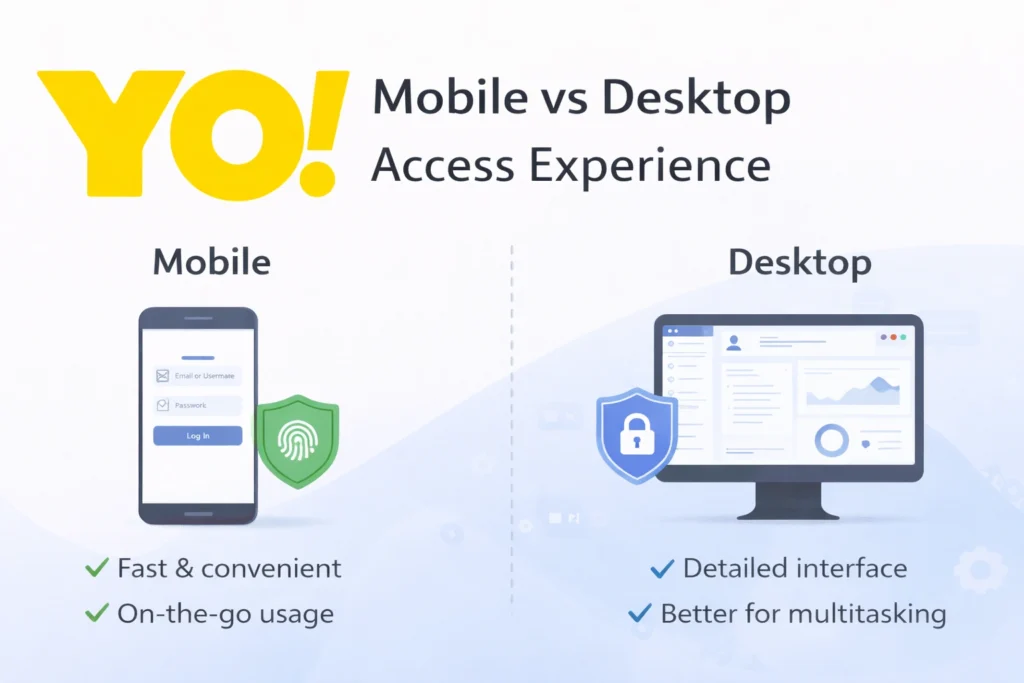
Accessing your account can feel slightly different depending on whether you are using a mobile device or a desktop. Each option comes with its own advantages, and the choice often depends on user preference and specific needs.
On mobile devices, the experience is designed for convenience and speed. With apps or mobile-optimized browsers, users can quickly open their accounts anytime and anywhere. Features like saved credentials or biometric options such as fingerprint and face recognition make the process even faster. This makes mobile access ideal for users who need quick, on-the-go interaction.
On the other hand, desktop access offers a more detailed and spacious interface. The larger screen allows for better navigation, especially when managing multiple tasks or handling more complex activities. It is often preferred for longer sessions where users need to focus or work extensively.
Performance can also vary slightly. Mobile apps are usually optimized for speed and simplicity, while desktop versions provide more comprehensive functionality. Both, however, aim to deliver a consistent and reliable experience.
Security considerations apply to both platforms. Mobile devices benefit from built-in security features, while desktops rely more on browser settings and system protection. In either case, users should follow safe practices to keep their accounts protected.
Ultimately, both mobile and desktop access options are designed to complement each other. Users can switch between them based on their situation, ensuring flexibility without compromising on usability or security.
Conclusion
The YoBook login process serves as the foundation for accessing a modern and user-friendly digital platform. From providing secure entry to enabling personalized features, it plays a crucial role in shaping the overall user experience.
By understanding how the system works, users can avoid common issues and make the most of the available features. Simple steps like entering correct details, maintaining a stable connection, and following basic security practices can ensure smooth and uninterrupted access.
The platform’s focus on simplicity, security, and flexibility makes it suitable for a wide range of users. Whether accessing through mobile or desktop, the experience remains consistent and efficient.
As digital platforms continue to evolve, login systems are becoming more advanced and secure. The YoBook login process reflects this progress by combining ease of use with strong protection measures.
In the end, having a clear understanding of how to access and manage your account not only saves time but also enhances your overall interaction with the platform.
Frequently Asked Questions (FAQs)
1. What is YoBook login?
YoBook login is the process that allows users to securely access their accounts on the YoBook platform. It requires entering registered credentials such as a username or email and password.
2. How can I access the YoBook login page?
You can access the official login page by visiting this link: yobook
From there, you can enter your details and access your account بسهولة.
3. What should I do if I forget my password?
If you forget your password, you can use the “Forgot Password” option on the login page. Follow the instructions to reset your password and regain access.
4. Why is my account not opening?
There could be several reasons, such as incorrect login details, poor internet connection, or temporary system issues. Double-check your credentials and try again after some time.
5. Can I use YoBook login on mobile devices?
Yes, the platform supports mobile access. You can log in using your smartphone through a browser or app (if available) for a convenient experience.
6. Is YoBook login secure?
Yes, the system is designed with security features like data encryption and account protection measures to keep user information safe.
7. How can I fix login errors quickly?
You can try clearing your browser cache, updating your app or browser, checking your internet connection, or resetting your password if needed.
8. Do I need to log out after every session?
It is recommended to log out, especially when using shared or public devices, to keep your account safe.
9. Can I access my account from multiple devices?
Yes, you can log in from different devices. Your data and settings remain consistent across platforms.
10. Who should I contact if login issues continue?
If problems persist, you should contact the platform’s support team through the official website for further assistance.